
Nutrition
Makhana & Blood Sugar: What Research Says
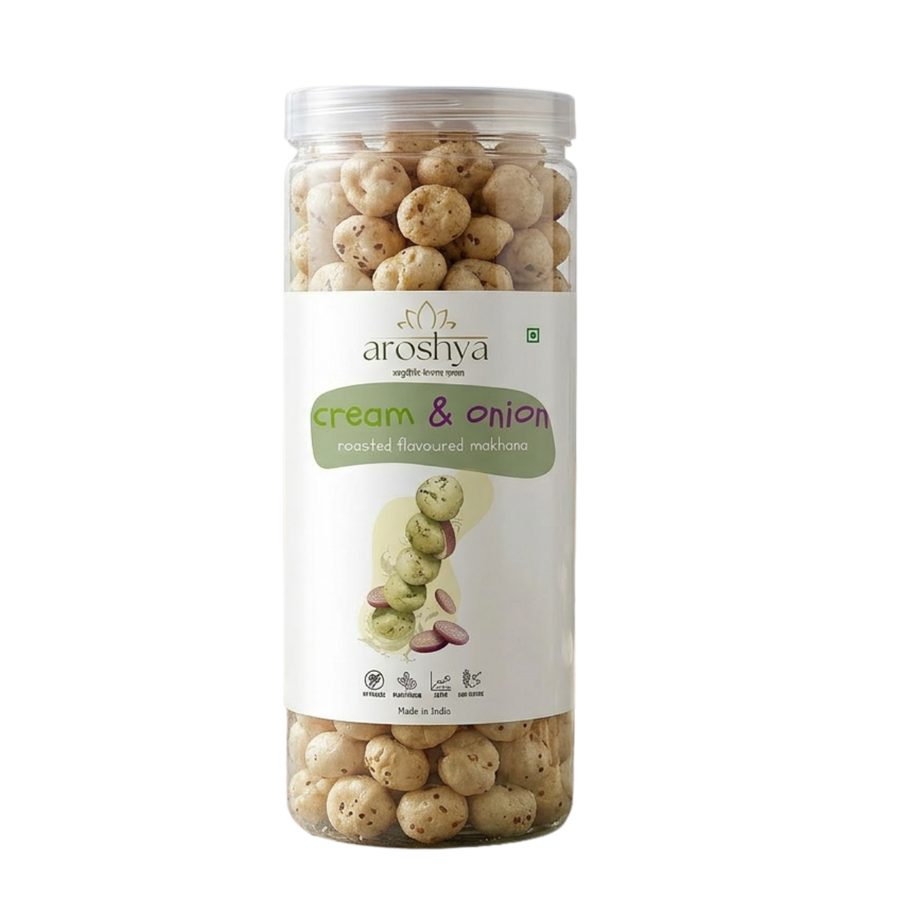
If you're mindful of your blood sugar — whether you're managing a condition or simply want steadier energy — the glycaemic index (GI) of what you snack on matters. Makhana scores well here.
What the GI tells us
Makhana has a low glycaemic index of roughly 55. Foods with a lower GI release their energy more gradually, which helps avoid the sharp spikes and crashes associated with many highly processed snacks. Its combination of complex carbohydrates and fibre supports that slow, steady release.
A sensible everyday choice
Because it's light, low in fat and low-GI, roasted makhana can be a smart part of a balanced diet for those watching their energy levels through the day. As with any food, portion size and the overall pattern of your diet matter most — and flavour coatings do add small amounts of salt or seasoning.
A note of caution
Makhana is a food, not a treatment. If you are managing diabetes or another condition, please treat this as general information and speak with your doctor or a registered dietitian about what fits your personal needs.
This article is for general information and reflects published nutritional research. It is not medical advice and is not intended to diagnose, treat or cure any condition. For personalised guidance, please consult a registered dietitian or doctor.
← Back to the Journal